


Functional beverages from native fruits: a comprehensive review of their bioactive compounds, health benefits, and processing technologies
Article Sidebar
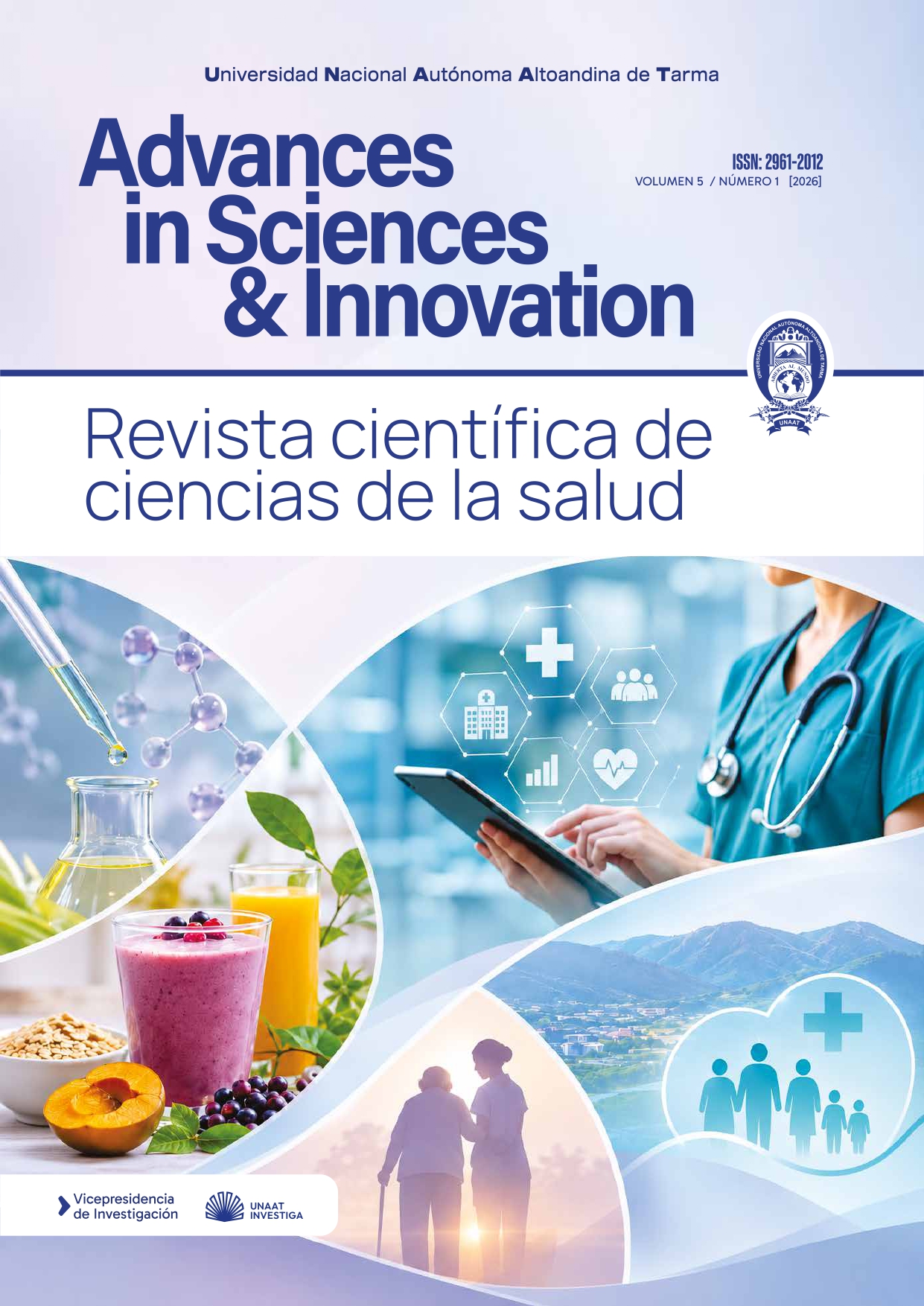
Main Article Content
Abstract
The growing interest in functional foods has driven the development of beverages made from fruits native to megadiverse regions, which are rich in bioactive compounds with beneficial health effects. However, the application of processing technologies to ensure the safety and shelf life of these products poses the challenge of preserving their functional potential. The objective of this systematic review was to analyze and synthesize the available scientific evidence on functional beverages made from native fruits, characterizing their bioactive compound profiles, identifying the associated health benefits, and evaluating the impact of different processing technologies (thermal and non-thermal) on the retention of bioactive compounds and product functionality. The review was conducted in accordance with the PRISMA 2020 guidelines. Systematic searches were performed in PubMed, Scopus, and ScienceDirect, combining controlled and free-text terms with Boolean operators. Original primary studies published in English, Spanish, or Portuguese that evaluated native fruits subjected to processing technologies and quantified bioactive compounds or biological activity were included. Evidence shows that fruits such as camu-camu, mortiño, açaí, acerola, cupuaçu, and red pitahaya have exceptional phytochemical profiles, with concentrations of vitamin C, anthocyanins, and phenolic compounds that exceed those of conventionally grown fruits. Reported health benefits include antioxidant, anti-inflammatory, neuroprotective, antidiabetic, and antimicrobial effects. Emerging non-thermal technologies, such as ultrasound-assisted extraction (UAE), controlled fermentation, and enzymatic hydrolysis, have proven to be superior to conventional thermal treatments (pasteurization, sterilization) in retaining heat-labile compounds and preserving antioxidant capacity. Native fruits serve as matrices with high functional value for the development of beverages with health-promoting properties, but evidence regarding clinical benefits in humans remains limited. The implementation of non-thermal and biotechnological processes is emerging as the most promising strategy for maximizing the bioavailability and stability of bioactive compounds, thereby establishing a model of sustainable bioeconomy that enhances the nutritional and therapeutic value of local biodiversity.
Article Details

This work is licensed under a Creative Commons Attribution 4.0 International License.
References
Aguilar, J. S., Antonino, J. P., Dulay, R. M. R., Leon, A. M. D., Kalaw, S. P., & Reyes, R. G. (2026).
Submerged fermentation and characterization of Lentinus tigrinus mycelial biomass for
functional juice development. International Journal of Agriculture & Biology, 35, 350507.
https://doi.org/10.17957/IJAB/15.2477
Alaiya, M. A., & Odeniyi, M. A. (2023). Utilisation of Mangifera indica plant extracts and parts in
antimicrobial formulations and as a pharmaceutical excipient: A review. Future Journal of
Pharmaceutical Sciences, 9(1), 29. https://doi.org/10.1186/s43094-023-00479-z
Amaya, A. M., Otálora, M. C., & Osorio, C. (2025). Microencapsulated powders of agraz (Vaccinium
meridionale Swartz) fruit as a carrier for metabolites with in vitro antihypertensive activity.
Química Nova. https://doi.org/10.21577/0100-4042.20250175
Anantachoke, N., Duangrat, R., Sutthiphatkul, T., Ochaikul, D., & Mangmool, S. (2023). Kombucha
beverages produced from fruits, vegetables, and plants: A review on their pharmacological
activities and health benefits. Foods, 12(9), 1818. https://doi.org/10.3390/foods12091818
Anuyahong, T., Chusak, C., & Adisakwattana, S. (2020). Incorporation of anthocyanin-rich
riceberry rice in yogurts: Effect on physicochemical properties, antioxidant activity
and in vitro gastrointestinal digestion. LWT, 129, 109571. https://doi.org/10.1016/j.
lwt.2020.109571
Arellano-Acuña, E., Rojas-Zavaleta, I., & Paucar-Menacho, L. (2016). Camu-camu (Myrciaria
dubia): Tropical fruit of excellent functional properties that help to improve the quality of
life. Scientia Agropecuaria, 7, 433–443. https://doi.org/10.17268/sci.agropecu.2016.04.08
Arshad, Z., Shahid, S., Hasnain, A., Yaseen, E., & Rahimi, M. (2025). Functional foods enriched
with bioactive compounds: Therapeutic potential and technological innovations. Food
Science & Nutrition, 13(10), e71024. https://doi.org/10.1002/fsn3.71024
A’yuni, Q., & Pirak, T. (2024). Effect of tropical fruit pulp infusion during second fermentation
of cannabis leaf-based kombucha on quality characteristics and its storage changes.
Agriculture and Natural Resources, 58(6), 775–784. https://doi.org/10.34044/j.
anres.2024.58.6.11
Berilli, P., Graziani, G. L., Medina, N., Monroy, Y. M., Rodrigues, M. V. N., & Marostica Junior, M. R.
(2025). Hot and cold infusions of Brazilian berries: Bioactive potential and storage stability.
Natural Product Research. Publicación anticipada en línea. https://doi.org/10.1080/14786
2025.2481469
Betoret, E., Betoret, N., & Fito, P. (2020). Functional beverages: A review of formulation and
health benefits. Current Opinion in Food Science, 33, 136–142. https://doi.org/10.1016/j.
cofs.2020.03.006
Bezerra, J. A., Corrêa, R. F., Sanches, E. A., Lamarão, C. V., Stringheta, P. C., Martins, E., &
Campelo, P. H. (2024). “Cupuaçu” (Theobroma grandiflorum): A brief review on chemical
and technological potential of this Amazonian fruit. Food Chemistry Advances, 5, 100747.
https://doi.org/10.1016/j.focha.2024.100747
Chaves, M. A., & Ores, J. C. (2024). Functional beverages with probiotics: A review. Food
Research International, 175, 113789. https://doi.org/10.1016/j.foodres.2023.113789
Contreras-Pacheco, Y. V., Gerardo, V., Alberto, S. J., Ghotekar, S., Fellah, M., & Larios, A. P. (2025).
Natural sources of bioactive compounds: Recent advances in isolation, functionalization,
and health benefits. Food Research International, 223(Pt 2), 117853. https://doi.
org/10.1016/j.foodres.2025.117853
Cordeiro, R. S. L., Corrêa-Filho, L. C., Gomes, F. S., Sá, D. D. G. C. F., Tonon, R. V., Matta, V. M., & Cabral,
L. M. C. (2026). Effect of thermal and non-thermal treatments on the bioaccessibility of
vitamin C and carotenoids in a mixed tropical fruit beverage. Beverages, 12(1), 19. https://
doi.org/10.3390/beverages12010019
Crespo-López, M. E., Soares, E. S., Macchi, B. M., Santos-Sacramento, L., Takeda, P. Y., Lopes-
Araújo, A., Paraense, R. S. O., Souza-Monteiro, J. R., Augusto-Oliveira, M., Luz, D. A.,
Maia, C. S. F., Rogez, H., Lima, M. O., Pereira, J. P., Oliveira, D. C., Burbano, R. R., Lima, R. R.,
Nascimento, J. L. M., & Arrifano, G. P. (2019). Towards therapeutic alternatives for mercury
neurotoxicity in the Amazon: Unraveling the pre-clinical effects of the superfruit açaí
(Euterpe oleracea, Mart.) as juice for human consumption. Nutrients, 11(11), 2585. https://
doi.org/10.3390/nu11112585
Cunha, A. C., Vicente, J., Santos, B. A., Barcia, M. T., Sautter, C. K., & Ballus, C. A. (2026). Biodiversitydriven
brewing innovation: Functional, technological, and sensory enhancement of
American Blonde Ale with bocaiuva (Acrocomia aculeata) pulp. International Journal of
Gastronomy and Food Science, 44, 101492. https://doi.org/10.1016/j.ijgfs.2026.101492
Dala-Paula, B. M., Santos, T. P., Araújo, L. S., Bastos, R. R. A., Moraes, J. O., & Carbonera, N.
(2019). Domestic processing and storage on the physical-chemical characteristics of
acerola juice (Malpighia glabra L.). Ciência e Agrotecnologia, 43, e021519. https://doi.
org/10.1590/1413-7054201943021519
De Freitas, C. A. S., Maia, G. A., Da Costa, J. M. C., De Figueiredo, R. W., De Sousa, P. H. M., &
Fernandes, A. G. (2006). Estabilidade dos carotenoides, antocianinas e vitamina C
presentes no suco tropical de acerola (Malpighia emarginata DC.) adoçado envasado
pelos processos Hot-Fill e asséptico. Ciência e Agrotecnologia, 30(5), 942–949. https://
doi.org/10.1590/s1413-70542006000500018
Enriquez-Valencia, S. A., Salazar-López, N. J., Robles-Sánchez, M., González-Aguilar, G. A.,
Ayala-Zavala, J. F., & Lopez-Martinez, L. X. (2020). Propiedades bioactivas de frutas
tropicales exóticas y sus beneficios a la salud. Archivos Latinoamericanos de Nutrición,
(3), 220–235. https://doi.org/10.37527/2020.70.3.006
Fessard, A., Kapoor, A., Patche, J., Assemat, S., Hoarau, M., Bourdon, E., Bahorun, T., & Remize,
F. (2017). Lactic fermentation as an efficient tool to enhance the antioxidant activity
of tropical fruit juices and teas. Microorganisms, 5(2), 23. https://doi.org/10.3390/
microorganisms5020023
Friedrichsen, J. S. A., De Campos, T. A. F., Da Silva, N. M., Da Silva Dos Santos, P. D., De Souza
Zangirolami, M., Raspe, D. T., Da Silva, C., & Santos, O. O. (2025). Valorization of jabuticaba
(Plinia peruviana) peel: A comparative approach to extractions of bioactive compounds
using sustainable techniques and solvents. Food Chemistry, 494, 146152. https://doi.
org/10.1016/j.foodchem.2025.146152
García-Chacón, J. M., et al. (2023). Camu camu (Myrciaria dubia (Kunth) McVaugh): An
Amazonian superfruit with high bioactive and antioxidant compounds. PMC–NIH. https://
pmc.ncbi.nlm.nih.gov/articles/PMC9933082/
González-Pérez, G. S., Pérez-Flores, J. G., García-Curiel, L., Pérez-Escalante, E., Jaimez-
Ordaz, J., & Contreras-López, E. (2025). Revisión narrativa sobre bebidas antioxidantes
naturales: Compuestos bioactivos, mecanismos funcionales y aceptación en población
universitaria. Investigación y Desarrollo en Ciencia y Tecnología de Alimentos, 10(1).
https://doi.org/10.24215/30089336e008
Kaur, S., & Kumar, M. (2023). Functional beverages: A comprehensive review of recent trends
and health benefits. Food Chemistry Advances, 2, 100258. https://doi.org/10.1016/j.
focha.2023.100258
Macalia, C. M. A., Mar, J. M., Carolino, A. S., Nunes, R. Z. A., Silva, K. A., Ruzo, C. M., Bezerra,
J. A., Silva, S. O., Lima, A. R., & Sanches, E. A. (2026). Ultrasound-assisted enhancement
of bioactive compounds in Amazonian fruit juices (Mammea americana, Solanum
sessiliflorum, and Cassia leiandra). ACS Omega, 11(7), 11360–11374. https://doi.org/10.1021/
acsomega.5c08708
Mandha, J., Shumoy, H., Matemu, A. O., & Raes, K. (2022). Characterization of fruit juices and
effect of pasteurization and storage conditions on their microbial, physicochemical, and
nutritional quality. Food Bioscience, 51, 102335. https://doi.org/10.1016/j.fbio.2022.102335
Marcìa-Fuentes, J. A., Aleman, R. S., Areche, F. O., Flores, D. C., Roman, A. V., Martín-Vertedor,
D., & Montero-Fernández, I. (2025). Functional foods: A review of foods ingredient
and their health benefits. Food and Humanity, 6, 100953. https://doi.org/10.1016/j.
foohum.2025.100953
Mashhour, Z. M., Barghchi, H., Gheflati, A., Mansouri, A. H., Dehnavi, Z., Khorasnchi, Z., Binabaj,
N. B., Sahebanmaleki, M., Moshari, J., & Nattagh-Eshtivani, E. (2025). Effects of Vaccinium
meridionale Swartz (agraz) supplementation on inflammatory and oxidative stress
markers in patients with metabolic syndrome: A systematic review of randomized
controlled clinical trials. Clinical Nutrition Research, 14(3), 230. https://doi.org/10.7762/
cnr.2025.14.3.230
Oliveira, L. A., Dias, K. A., Pereira, S. M. S., Abrantes, L. C. S., Da Silva Paes, S., Fialho, T. C., &
Della Lucia, C. M. (2026). Effects of jabuticaba, a Brazilian berry, on obesity, metabolic
parameters, and gut health in high-fat diet animal models: A systematic review. Food &
Function, 17(3), 1145–1168. https://doi.org/10.1039/d5fo03883a
Özcan, T., & Akpinar-Bayizit, A. (2023). Probiotic functional beverages: Current status and future
prospects. Trends in Food Science & Technology, 131, 1–12. https://doi.org/10.1016/j.
tifs.2022.12.002
Page, M. J., McKenzie, J. E., Bossuyt, P. M., Boutron, I., Hoffmann, T. C., Mulrow, C. D., Shamseer, L.,
Tetzlaff, J. M., Akl, E. A., Brennan, S. E., Chou, R., Glanville, J., Grimshaw, J. M., Hróbjartsson,
A., Lalu, M. M., Li, T., Loder, E. W., Mayo-Wilson, E., McDonald, S., … Moher, D. (2021). The
PRISMA 2020 statement: An updated guideline for reporting systematic reviews. BMJ,
, n71. https://doi.org/10.1136/bmj.n71
Pham, V. T., Tran, T. T. H., Thom, L. T. B., Danh, N. T., Truong, N. M., Ho, T. N. T., Uyen, L. H., Pham,
B. A., & Vu, N. D. (2026). Integrated processing of dragon fruit and cashew apple juice for
high-quality fruit wine: A biotechnological approach. Journal of Food Biochemistry, 2026,
Article 8658611. https://doi.org/10.1155/jfbc/8658611
Ramos-Polo, A. R., Luzardo-Ocampo, I., Navarro-Gallón, S., Quijano, S. A., & Arango-Varela, S.
S. (2025). Polyphenolic compounds from Andean berry (Vaccinium meridionale Swartz)
and derived functional benefits: A systematic and updated review. Foods, 14(22), 3861.
https://doi.org/10.3390/foods14223861
Silva, K. A., Uekane, T. M., De Miranda, J. F., Ruiz, L. F., Da Motta, J. C. B., Silva, C. B., De Souza
Pitangui, N., Gonzalez, A. G. M., Fernandes, F. F., & Lima, A. R. (2021). Kombucha beverage
from non-conventional edible plant infusion and green tea: Characterization, toxicity,
antioxidant activities and antimicrobial properties. Biocatalysis and Agricultural
Biotechnology, 34, 102032. https://doi.org/10.1016/j.bcab.2021.102032
Suhre, T., Fabricio, M. F., Tischer, B., Ayub, M. A. Z., Evans, J. D., Frazzon, J., & Kothe, C. I.
(2025). Fermentation of native Brazilian fruits with kombucha: A novel opportunity for
producing low-alcohol beverages. Food Bioscience, 65, 106122. https://doi.org/10.1016/j.
fbio.2025.106122
Van Nieuwenhove, C., Ramos, S., García-Acosta, N., Van Nieuwenhove, G., Isas, A. S., Mozzi, F., &
Mateos, R. (2026). Lactic fermentation enhances in vitro carbohydrate-digesting enzyme
inhibition in cherimoya (Annona cherimola) juice with minor phenolic changes and
preserved sensory acceptance. Food Bioscience, 80, 108897. https://doi.org/10.1016/j.
fbio.2026.108897
Veer, S. J., Pawase, P. A., Khalid, S., Dattatraya, R. H., Bashir, O., & Abdi, G. (2026). Pectinaseassisted
extraction of red dragon fruit (Hylocereus polyrhizus) juice: Process optimization
and quality assessment. Food Chemistry Advances, 10, 101244. https://doi.org/10.1016/j.
focha.2026.101244
Wurlitzer, N. J., Dionísio, A. P., Lima, J. R., Garruti, D. S., Araújo, I. M. S., Rocha, R. F. J., & Maia, J.
L. (2019). Tropical fruit juice: Effect of thermal treatment and storage time on sensory
and functional properties. Journal of Food Science and Technology, 56(12), 5184–5193.
https://doi.org/10.1007/s13197-019-03987-0
Zhang, Q., Gu, C., Chang, H., Zhang, W., Ma, L., Liu, F., & Feng, Z. (2025). Metabolite
differences during rambutan juice fermentation by Lactiplantibacillus plantarum and
Limosilactobacillus fermentum. Food Chemistry: X, 30, 102904. https://doi.org/10.1016/j.
fochx.2025.102904